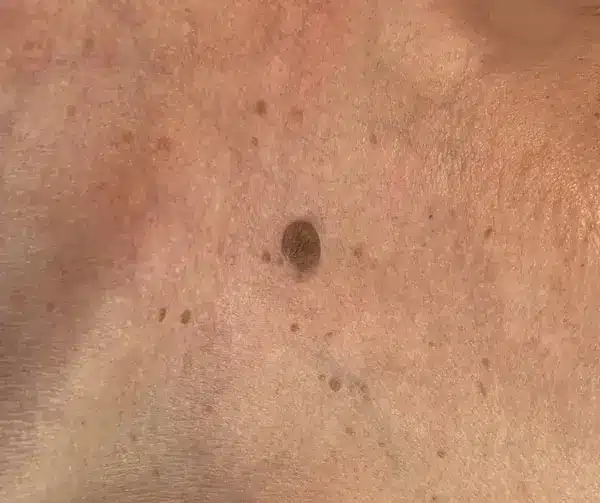
Usual Benign Skin Lesions
Benign Skin Growths Dermatology Below's more concerning how to determine whether your mole is healthy and balanced or possibly a cause for fear. Nevertheless, if the disease is determined prior to it spreads, it is very curable. According to the National Cancer Institute, the estimated five-year survival price for individuals whose melanoma is detected early is about 99 percent. Moles vary in shape and dimension; nevertheless, they are all generally round, somewhat elevated, and regular in shape. Lesions like skin tags and cherry angiomas can run in families, with parents giving a predisposition to their kids. All moles, however atypical moles particularly, must be kept an eye on for any kind of modifications fit, color, or size. Skin cancers-- including melanoma, basal cell cancer, and squamous cell carcinoma-- typically begin as adjustments to your skin. They can be brand-new developments or precancerous sores-- adjustments that are not cancer cells but can become cancer over time. An estimated 40% to 50% of fair people that live to be 65 will certainly create at least one skin cancer cells. One reliable way to set apart in between benign moles and possible skin cancer cells is to use the ABCDE rule. Asymmetry is a key sign; benign moles are typically balanced, while skin cancer cells sores may be asymmetrical. Cancer malignancy is a type of skin cancer that can be really unsafe if not detected and treated early, as it has the potential to spread out promptly throughout the body. While cancer malignancy is often treatable when captured in Ageing Skin its early stages, it can come to be life-threatening if left without treatment. Recognizing the warning signs and understanding how melanoma vs a mole compares is essential. As discussed previously, an atypical mole can turn into a precancerous mole, specifically cancer malignancy. Nevertheless, research study suggests that many irregular moles stay secure over time. Acquainting on your own with the defining attributes of typical benign lesions can help you distinguish in between typical age-related skin changes and those that may warrant expert examination. After turning 45, both males and females frequently experience a boosted frequency of brand-new skin development. Safeguarding your skin is the best means to lower your danger of skin cancer cells.
- Even though benign lesions. are not harmful, it is necessary to check for any type of changes in color, dimension, shape, or feeling.
- Getting examined supplies quality and comfort-- also if the result is benign.
- Malignant skin lesions are malignant developments that occur from skin cells and have the prospective to attack surrounding cells or metastasize.
- Once again, it is essential to conduct comprehensive skin examinations consistently.
Squamous Cell Cancer
The borders of benign moles have a tendency to be smooth and also, whereas skin cancer cells sores typically have uneven, jagged, or blurred sides. Benign moles commonly have an uniform color, such as brown or black, while skin cancer cells sores might exhibit multiple shades, consisting of tones of brownish, black, red, white, or blue. The size of the mole is additionally important; benign moles are generally smaller sized than 6mm (regarding the dimension of a pencil eraser), while skin cancer cells lesions may be bigger and continue to expand with time. Skin cancer is a major problem that takes place when skin cells expand frantically.Dr Tanja Phillips-- Expert Benign Sore Treatment
Cells gotten rid of during the process may be evaluated to see if they reveal signs of cancer cells. Customized treatment ensures that skin lesion removal is both safe and efficient, with interest to aesthetic outcomes and general skin wellness. Even though numerous lesions of the skin are safe, an expert assessment ensures precise medical diagnosis and proper treatment. Asymmetry describes when one half of a mole or spot doesn't match the other fifty percent in size, shape, or color. Healthy and balanced moles tend to be balanced, with both sides looking fairly similar. If you notice any changes in color, dimension, appearance, and shape, speak with your doctor immediately. There's no requirement to deal with benign moles unless you're dissatisfied with their look. Or else, watch for indications of modification and visit our office for a clinical assessment. Deadly cancer malignancy, specifically in the later phases, is serious and therapy is challenging. Early medical diagnosis and therapy can enhance the survival price. Nonmelanoma skin cancers consist of basic cell carcinoma and squamous cell cancer. Each kind differs in appearance and actions, which is why professional assessment is suggested before any type of lesion elimination. Healthy moles generally have a consistent shade throughout, whether brown, tan, or one more shade. Numerous colors or irregular circulation of color within a solitary mole can be concerning. Learn more about different sorts of moles and lesions here. It's common to be bothered by the appearance of a mole or experience irritation when it rubs versus your clothes or snags on fashion jewelry.Exactly how to tell if a skin sore is benign?
- Symmetry in shape, colour and structure.Stable or slowly evolving.Absence of
- spontaneous bleeding(blood loss or ulcer might result from recent injury).